
Roadside Parking on SR-210 Is Risky and Dangerous: No Safe Exit
Roadside parking of 200 cars between Snowbird Entries 1–4 narrows the road, slows downhill traffic
from Alta, and forces dangerous maneuvers—leading to head-on collision risks and gridlock.
This roadside parking is risky and appears to endanger lives by forcing maneuvers that violate Utah Code § 41-6a-701 when exiting, by forcing illegal U-turns across double yellow lines and unsafe merges.
Exiting drivers lack dedicated infrastructure like intersections, lights, or roundabouts. Instead, they perform illegal three-point U-turns across double yellow lines into oncoming uphill traffic or merge unsafely with downhill flow.
This appears to benefit Snowbird per EIS parking data, from free roadside parking without building more resort lots. UDOT's job is to ensure highway road safety—not increase resort parking inventory.
PERSONAL CONNECTIONS
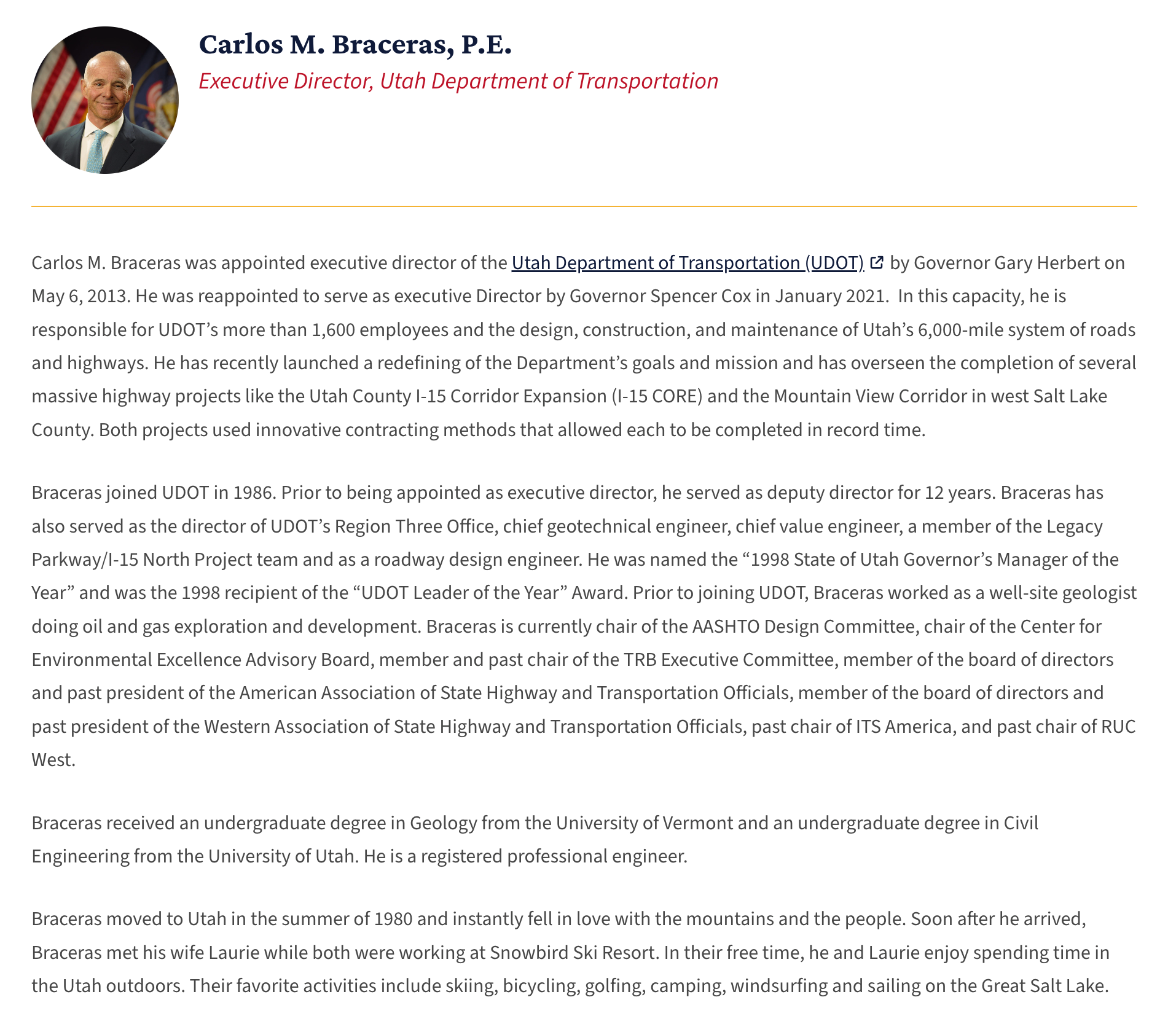
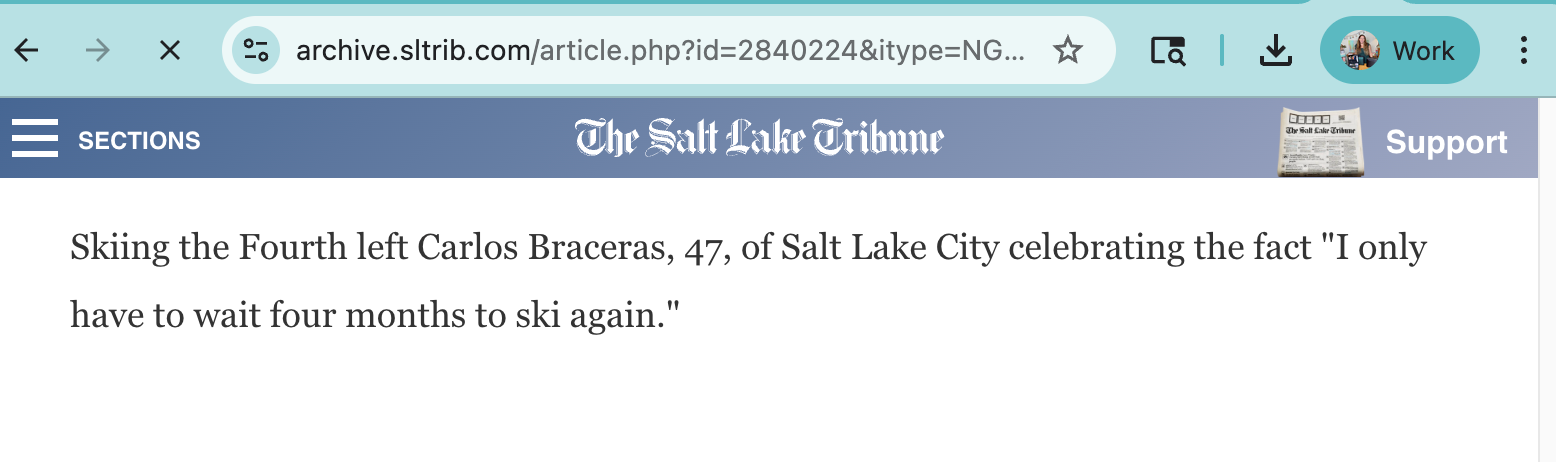
Carlos Braceras' self-reported lengthy relationship to Snowbird run deep. He is an avid Snowbird skier, it is his previous employer, and also where he met his wife (Laurie England, listed on LinkedIn as "Ticket Sales Supervisor, Snowbird"). Based on self-reported public profiles, legitimate questions about potential bias are raised for impartiality.
FINANCIAL & BUSINESS CONNECTIONS
In March 2025, the Granite Oaks Homeowners Association (HOA)—a neighborhood group near the mouth of Little Cottonwood Canyon—filed a lawsuit against UDOT, adding to the growing pile of legal roadblocks stalling this unnecessary $2 billion gondola fiasco.
The HOA lawsuit alleges UDOT illegally purchased a $5 million restricted private lot in their subdivision for the gondola's massive base station and 2,500-car parking garage, violating deed restrictions and homeowners' rights.
The residential neighborhood doesn't allow industrial or commercial facilities.
The gondola will be elevated over the neighborhood, creating privacy violations for homeowners and a circus-like atmosphere with continuous overhead aerial movement with cabins deploying every 2 minutes, and never-ending tourists parking and loitering within the HOA neighborhood.
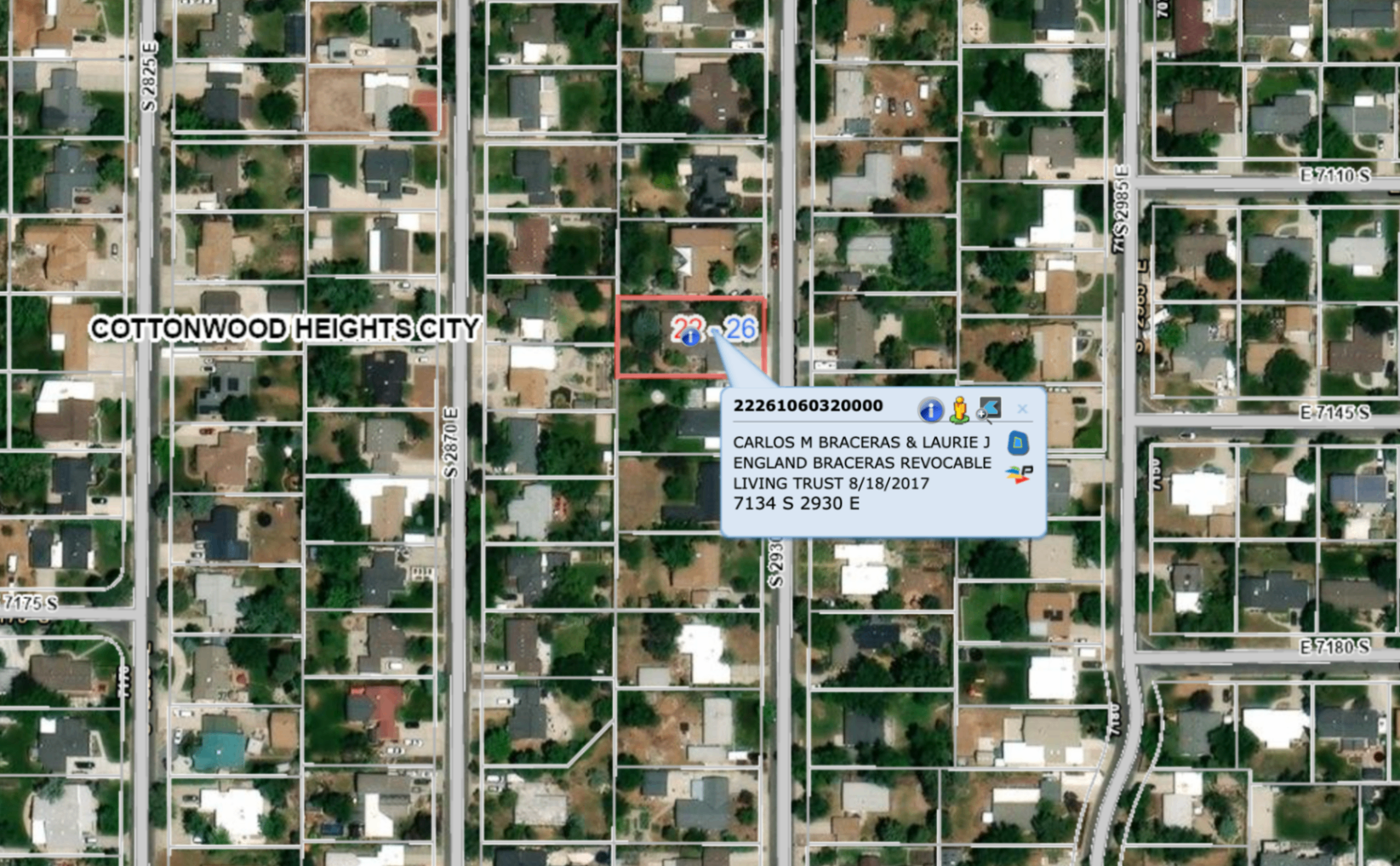
Wayne Niederhauser, a former state senator who spearheaded gondola-related bills, has documented business ties to CW Management Corporation, a for-profit LLC that OWNS a residential home at the proposed gondola location. Redacted emails released in 2024 show Niederhauser asking Braceras in Feb 2022 to “hold the line on cost numbers” so the legislature would still appropriate funds.
SR-210: SERIOUS SAFETY & MAINTENANCE PROBLEMS
UDOT is facing an apparent crisis in planning and oversight in managing the canyon. This includes poor problem-solving and forethought, with reactive efforts overly focused on chains and 4WD requirements, rather than comprehensive solutions like consistent snowplowing or parking restrictions.
In previous winters, the lack of dedicated road maintenance in Little Cottonwood Canyon has led to poor conditions, including snow-packed roads, reduced visibility, and hazardous driving—exacerbating congestion and safety risks on SR-210.
By allowing unsafe road conditions and lack of dedicated snowplowing, UDOT's policies appear to exacerbate congestion on SR-210, creating a 'problem' that justifies pushing the ski gondola proposal. Which primarily benefits two private ski resorts at taxpayer expense, according to EIS data.
EXPOSING UDOT's CRISIS OF BIAS, WASTE & FLAWS
Additional lawsuits claim UDOT bypassed NEPA requirements by rushing the Environmental Impact Statement (EIS) and downplaying watershed risks.
UDOT lists these NEGATIVE Watershed consequences in the EIS, from roadside parking, yet in the same breathe, dismisses those same concerns from the all construction trucks needed to install 22+ towers, some 200+ feet in height, throughout the entire canyon.
BYPASSING LAWS, POLICIES & DEED RESTRICTIONS





UDOT EIS recommends "No Winter Parking"
— yet overrides this to the benefit of additional Snowbird parking inventory, per EIS data.


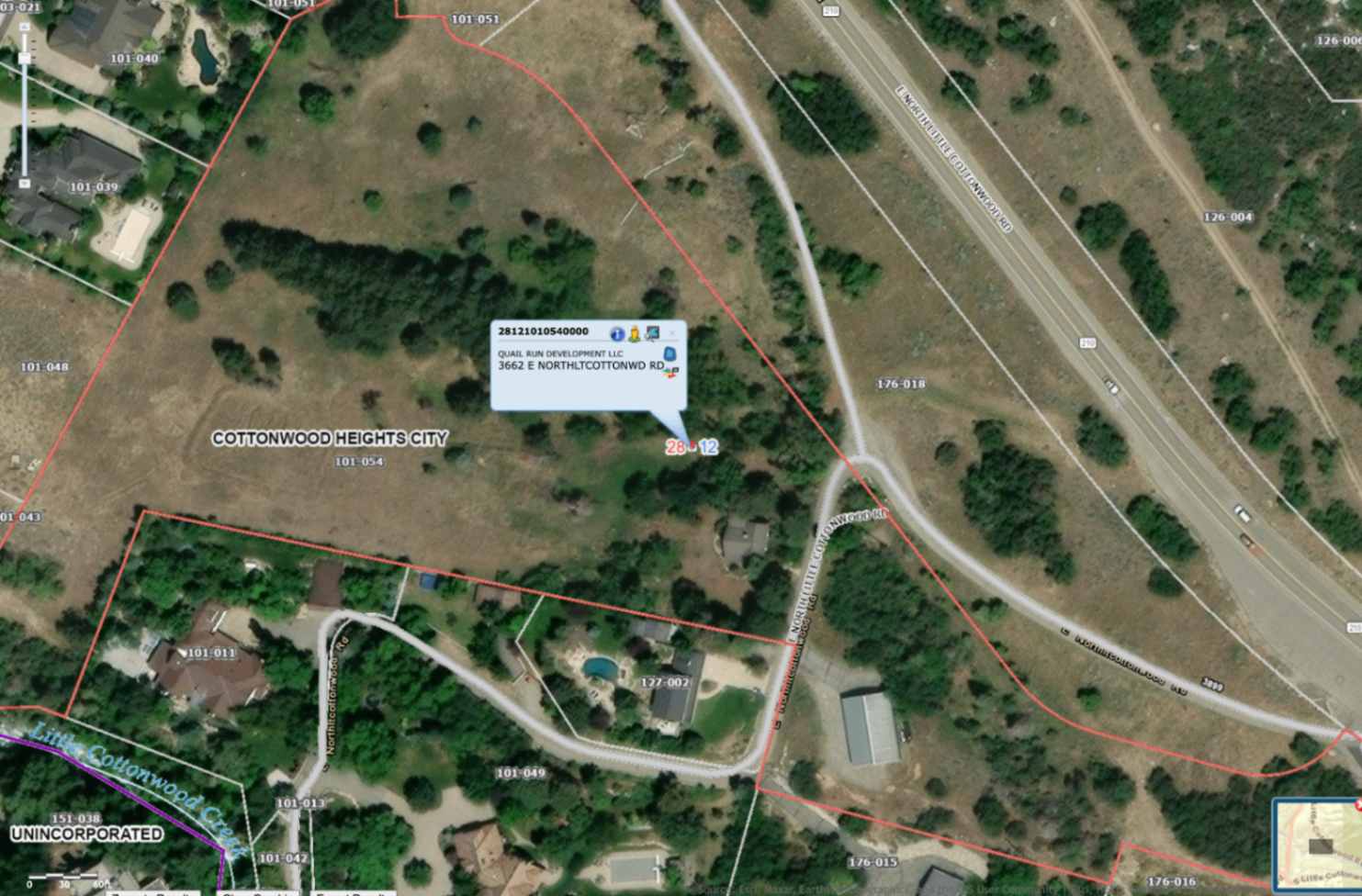
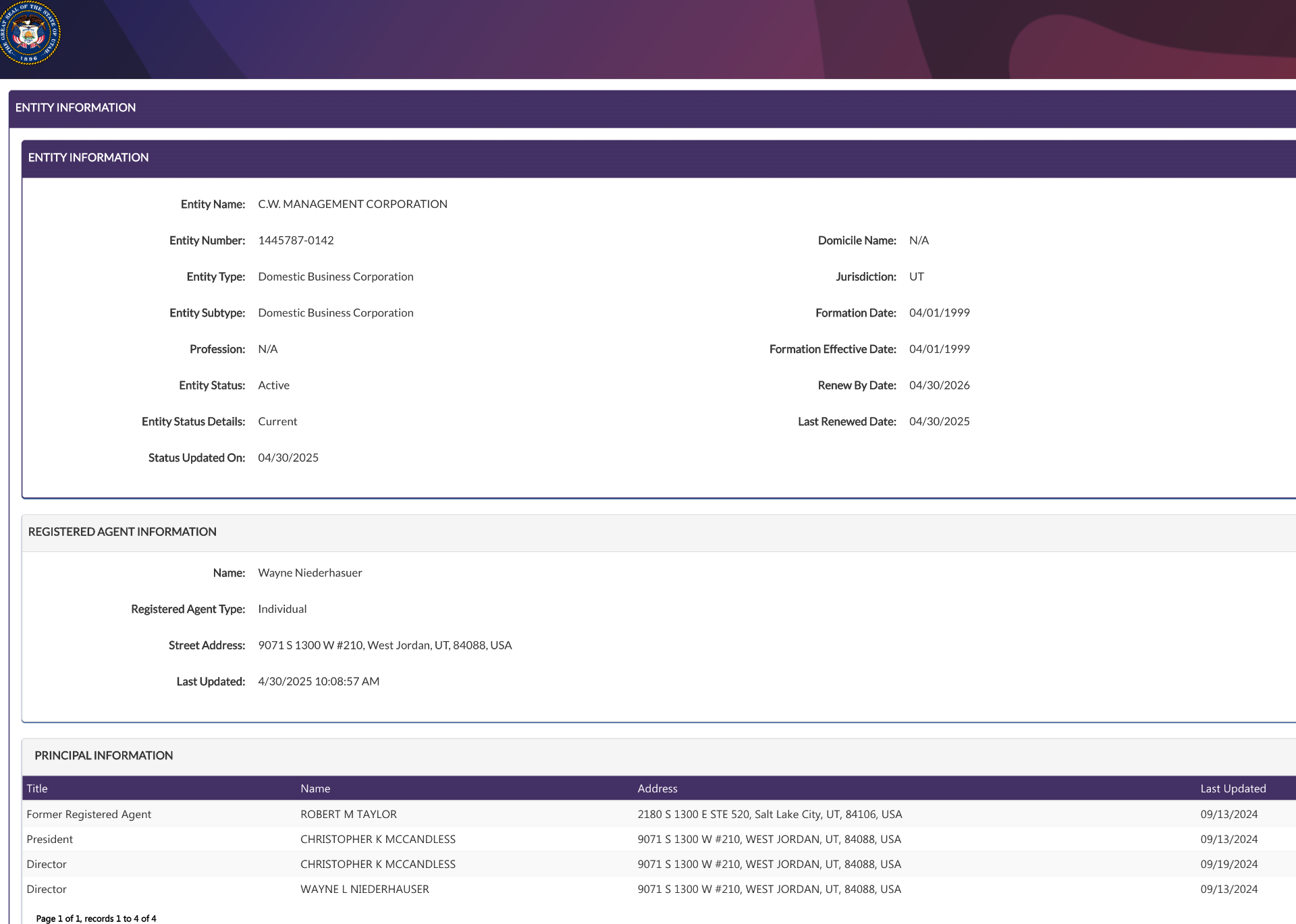
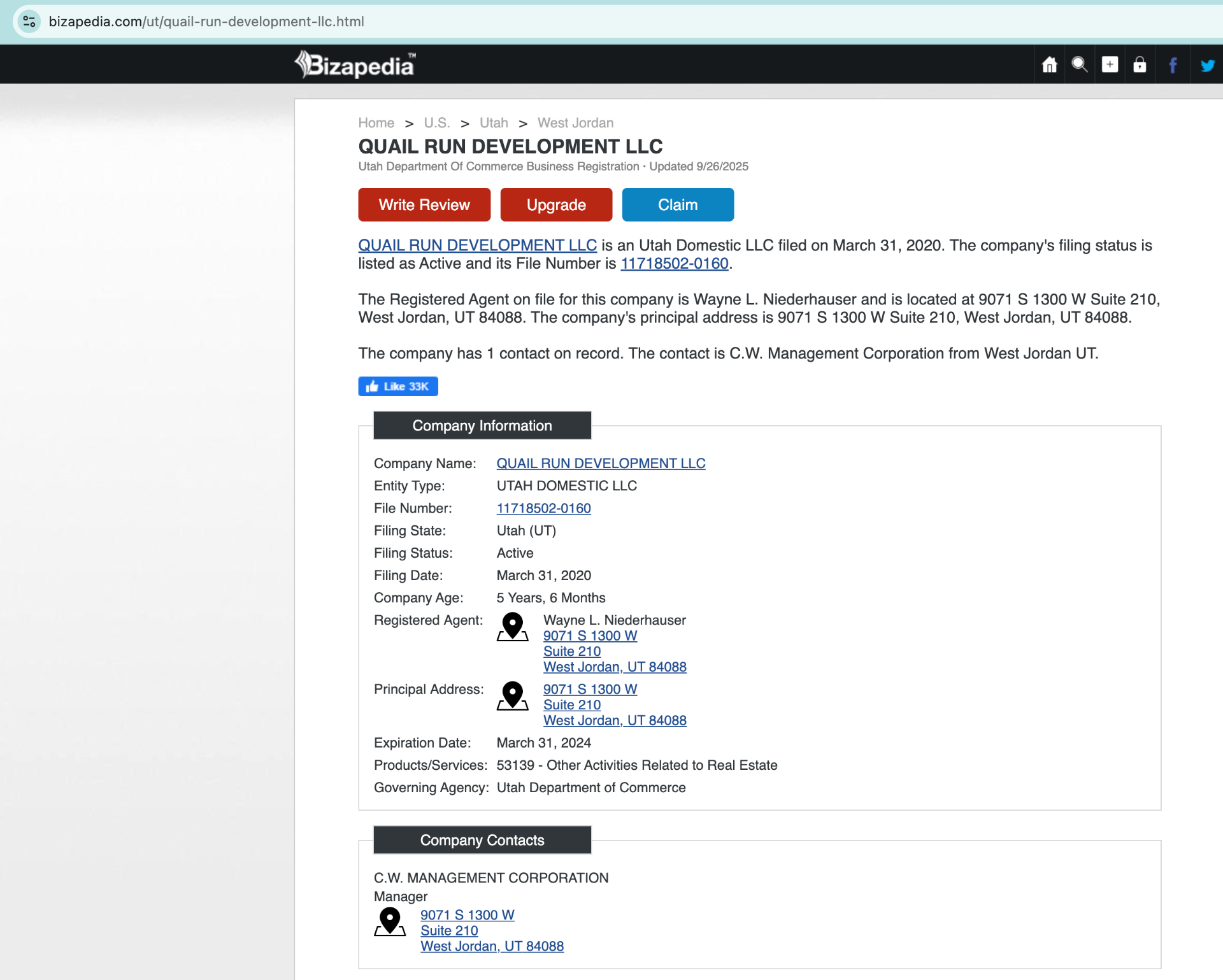
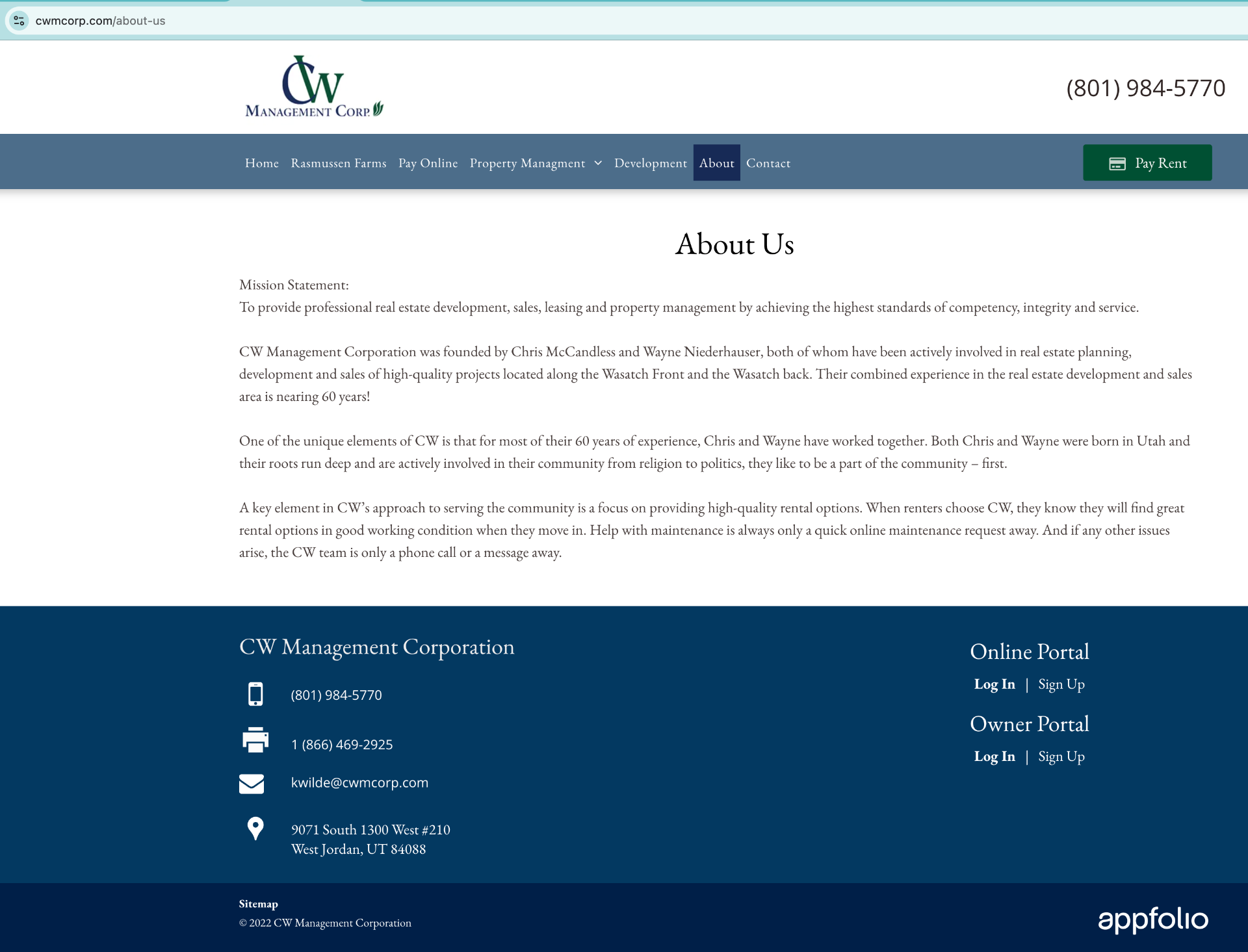
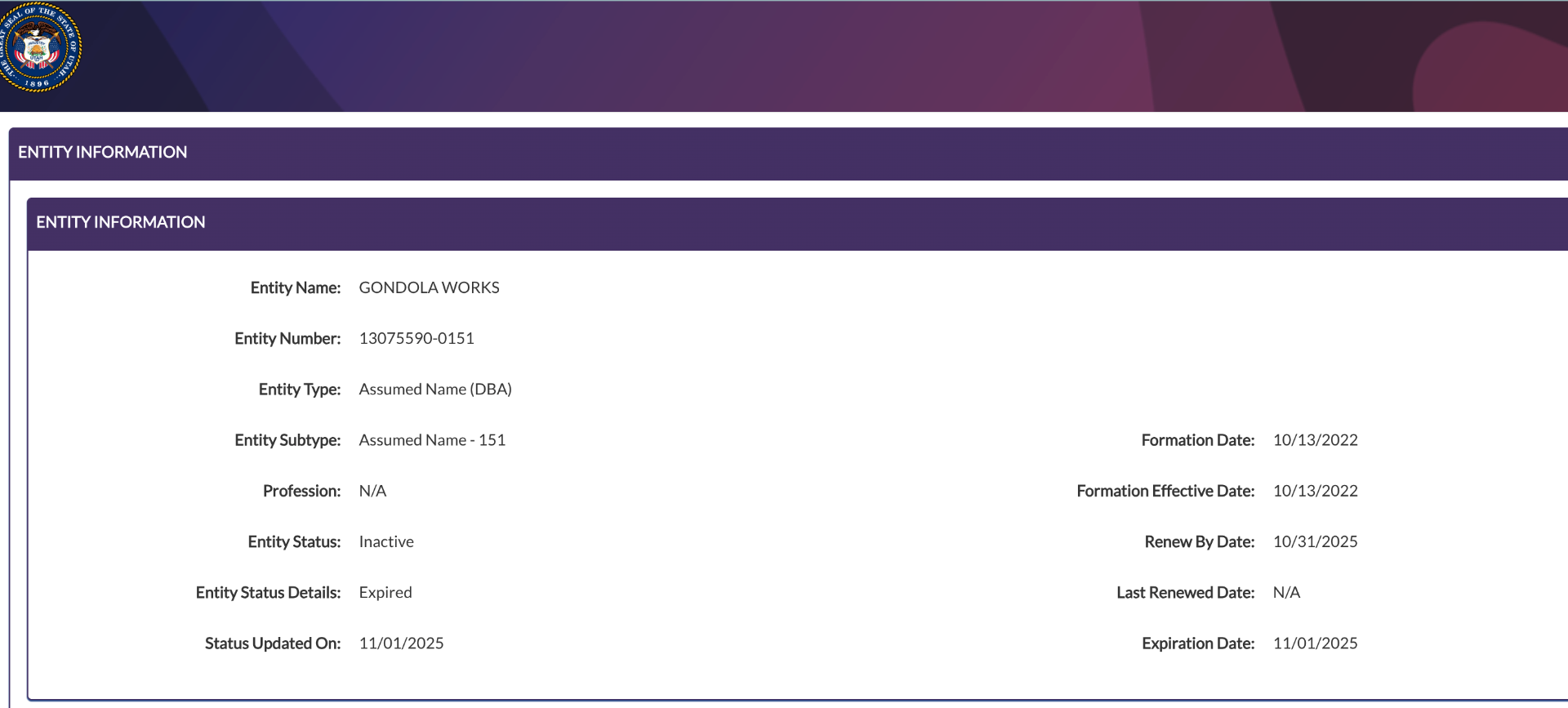
CW Management has been working in coordination with Gondola Works, a defunct business.
Gondola Works - INACTIVE with Utah.gov
Apparently, the $18 renewal fee to the Utah government was too costly.
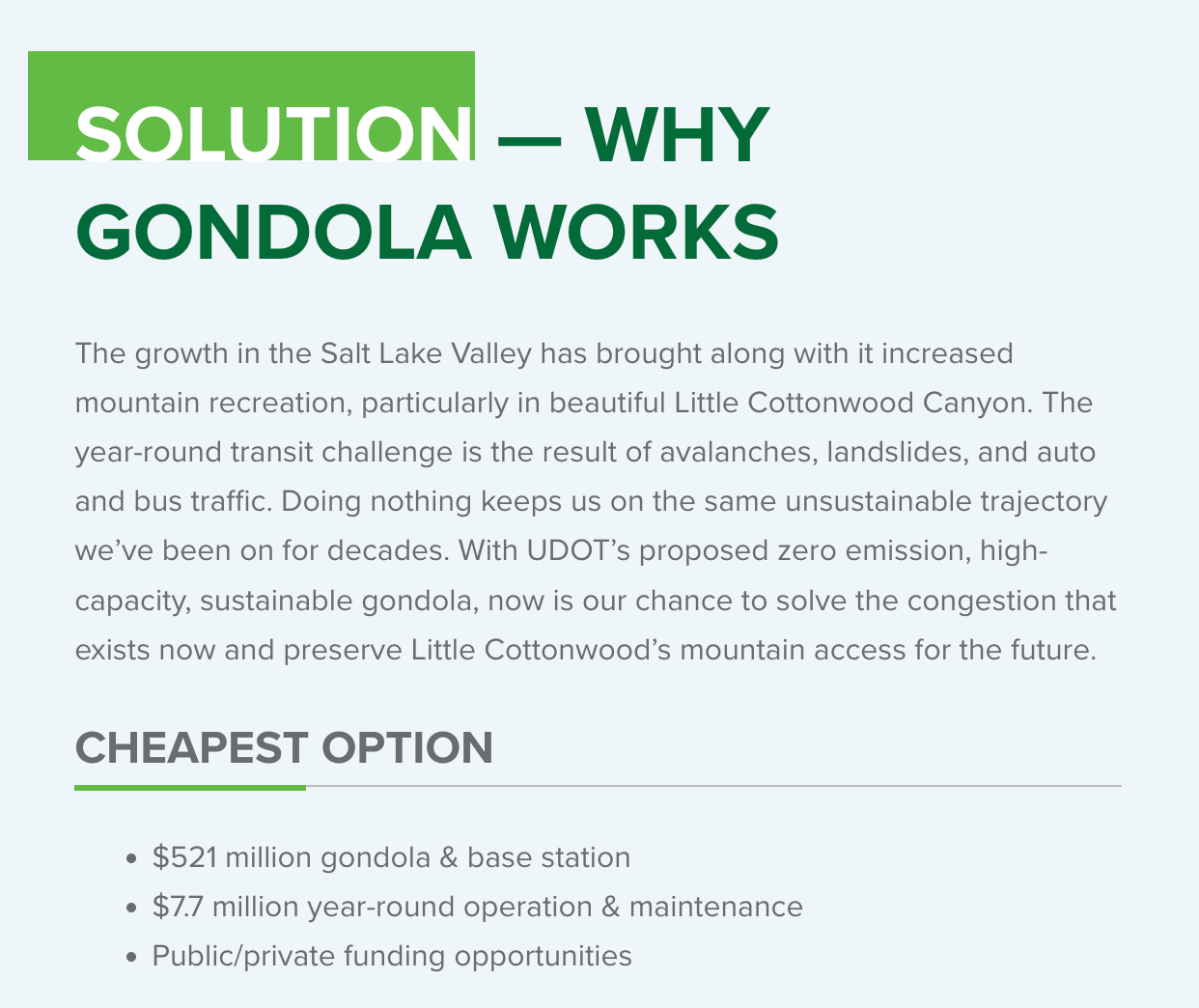
Gondola Works' website remains active, and promotes outdated pricing ($521M)
claiming the ski gondola as 'Cheapest,' ignoring UDOT 2022–2025 escalations to $729M+
—further evidence of ongoing biased promotion.

Little Cottonwood Canyon's fragile ecosystem cannot withstand the gondola's intrusion. Construction and operation would disrupt critical habitats for species like golden eagles, contaminate the watershed that supplies drinking water to over 400,000 residents, and destroy the visual integrity of the Wasatch Mountains. Key concerns include:
Watershed Contamination
Tower foundations and maintenance activities risk polluting streams and groundwater.
With up to 1,000 passengers per hour traveling miles over the sensitive watershed with open windows for ventilation, the gondola poses a major risk. Discarded trash and litter could directly enter streams and groundwater, endangering the drinking water supply for Salt Lake Valley.
Visual and Noise Pollution
Over 22 permanent giant steel towers and cables would alter the canyon's iconic scenery, diminishing its appeal for recreation and tourism beyond skiing. Flashing FAA aircraft lights would blink 24/7, eliminating the dark sky in the canyons.
Privacy Invasion
Private property will be continuously violated. An entire residential neighborhood will be exposed to aerial surveillance from passing tourists with the constant overhead traffic. Hovering cabins, deployed every 2 minutes will enable strangers to peer into residential windows and yards. The parking garage will bring constant traffic to a residential neighborhood.

The proposed gondola's towers—ranging from 130 to 262 feet tall, with many towers exceeding the FAA's 200-foot threshold—must comply with strict Federal Aviation Administration (FAA) regulations for obstruction marking and lighting to prevent aircraft collisions.
These lights flash 20–60 times per minute to alert aircraft and will destroy the dark sky in the Wasatch Mountains.
This adds another layer of waste to the $2 billion boondoggle. Installing, powering, and maintaining FAA-compliant lighting on 20+ towers—plus automated monitoring systems to report failures—could cost millions more.
Stop the
$2 Billion Dollar Super Gondola
TOWERS WILL REQUIRE FLASHING LIGHTS FOR AVIATION
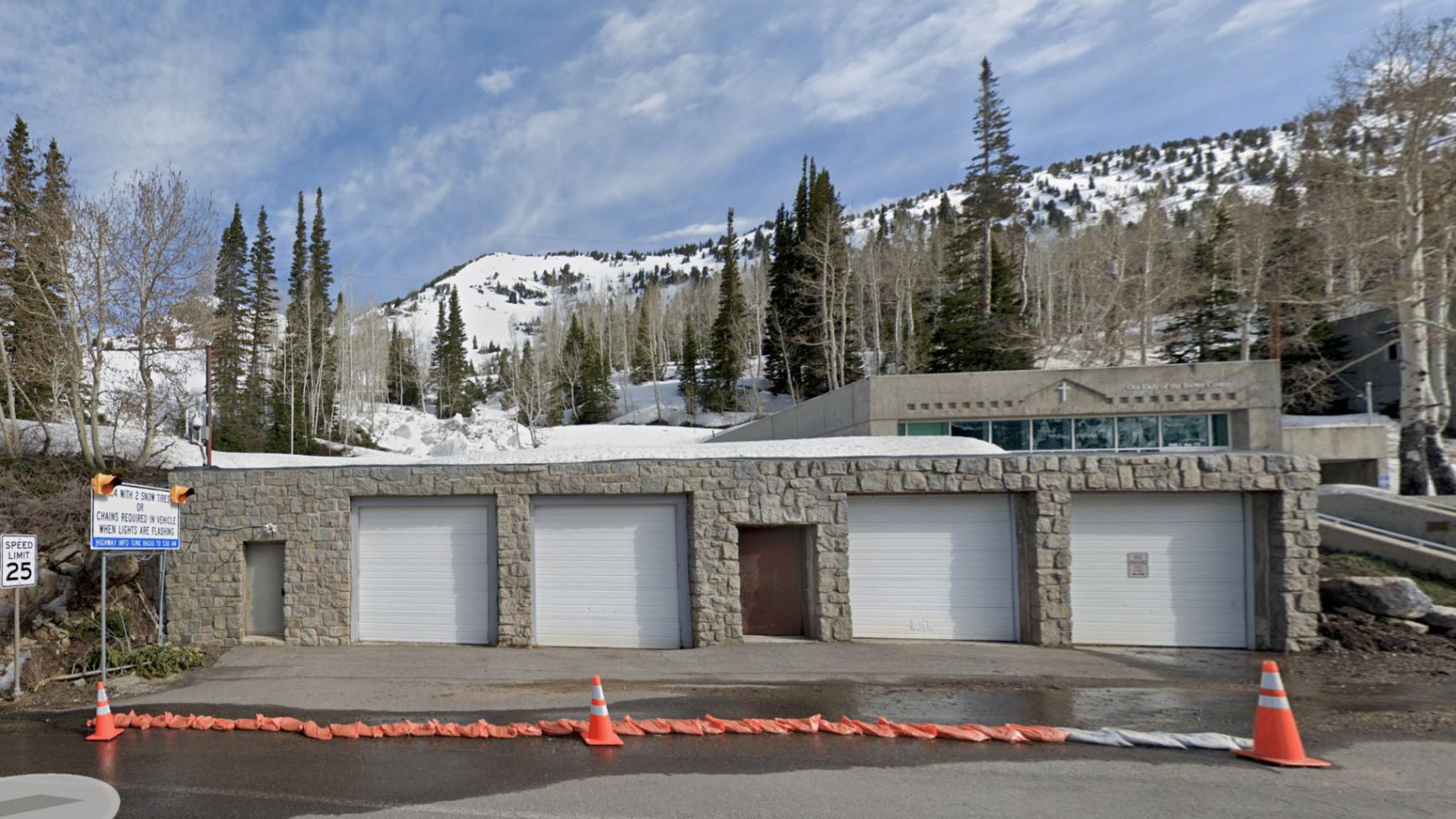
UDOT's avalanche team is located in a squalid dilapidated concrete bunker structure that is severely outdated and woefully inadequate for mountain operations.
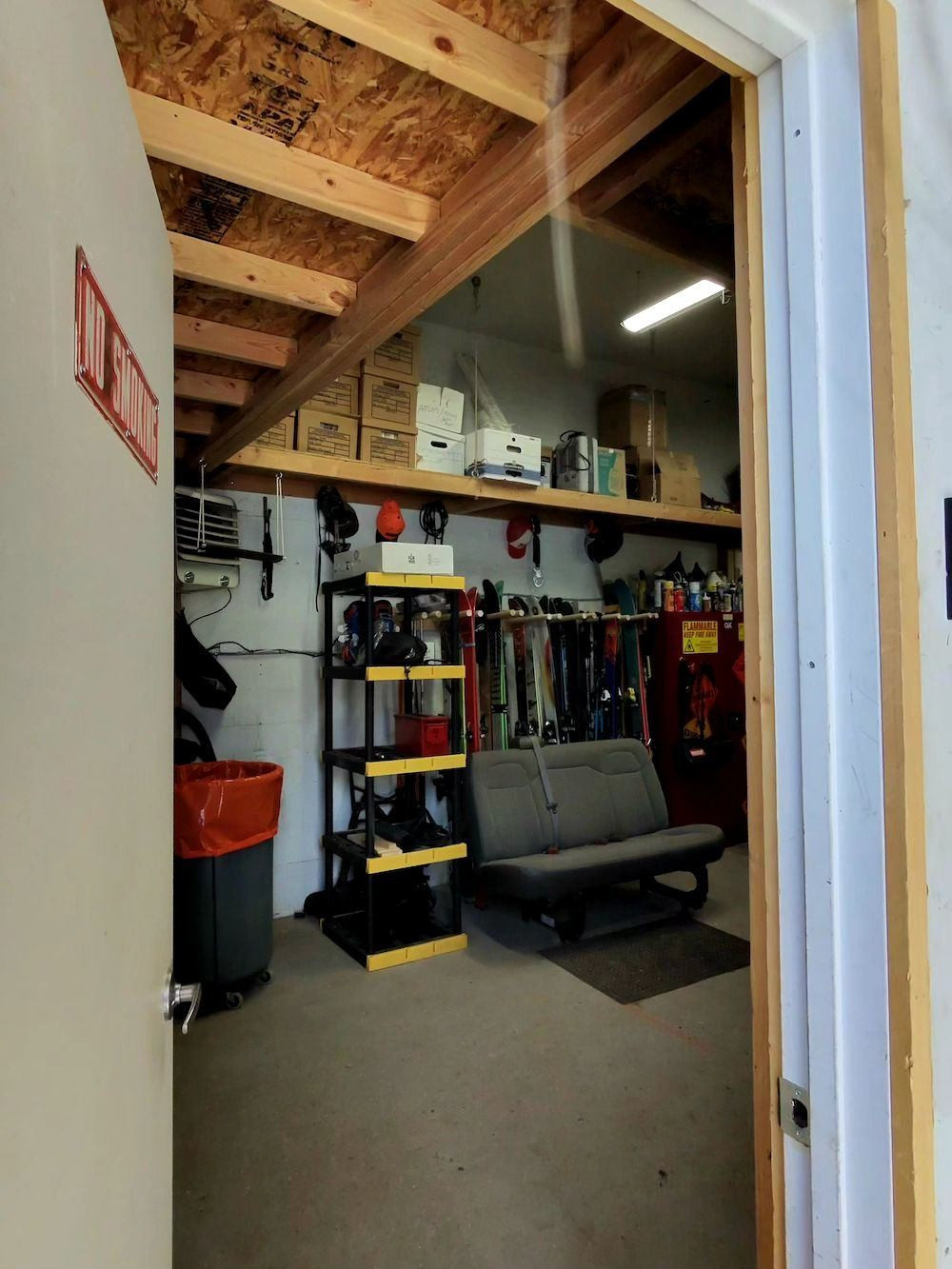
CREW SAFETY ISSUES
This isn't just any gondola — it's a SUPER-GONDOLA! 💸
The longest and highest-elevation aerial gondola ever proposed on planet Earth, facing unprecedented challenges
| Super Challenge | Super Details |
|---|---|
| 🔴 SUPER-LONG | The purpose of a ropeway is to go where roads cannot. The LCC gondola would span 8 miles and 30-40 minutes. North American winter gondola journeys average around 2.5 miles and 10 minutes. No other gondola has been built to run year-round over such a lengthy journey, crossing 30+ avalanche paths in a narrow canyon—for good common-sense reasons, including extreme weather exposure, maintenance and engineering challenges. It's not a practical, cost-effective transportation choice. |
| ⚠️ SUPER-INEFFICIENT | It's a high-risk engineering endeavor that would shut down in high winds, lightning, & avalanche danger—exactly when access and shelter is needed most. Cabins will NOT have heat or electricity, as that would require installing high-voltage power lines with the gondola-carrying and hauling cables, which is not feasible. Look no further for practicality than Snowbird's existing tram (costs $60), which spans only 1.6 miles and typically shuts down 20–30 times per winter due to similar conditions. |
| 💰 SUPER-EXPENSIVE | This is not a roadway project, but a ropeway overreach. Because of its extreme length and exposure, the projected lifetime costs are extraordinarily high: now estimated at $1.8–$2.1 billion (in 2025 dollars), making it one of the most expensive gondolas ever proposed. No private business would feasibly fund this scale of project without massive subsidies—why should taxpayers? |
| 🗑️ SUPER-WASTEFUL | Utah taxpayers are being asked to fund the longest, riskiest, and most expensive ropeway in history—for the primary benefit of two private ski resorts. Unless heavily subsidized, the LCC gondola ticket price is projected to be $75+ per person, adding further cost burden to users. The ski gondola represents wasteful government spending at its worst—benefiting two private resorts while burdening every Utah household with an estimated $1,000–$1,700 in costs. |
For 5% of this price we could buy additional ski buses + dedicated snowplows
and actually solve the problem and increase safety.